
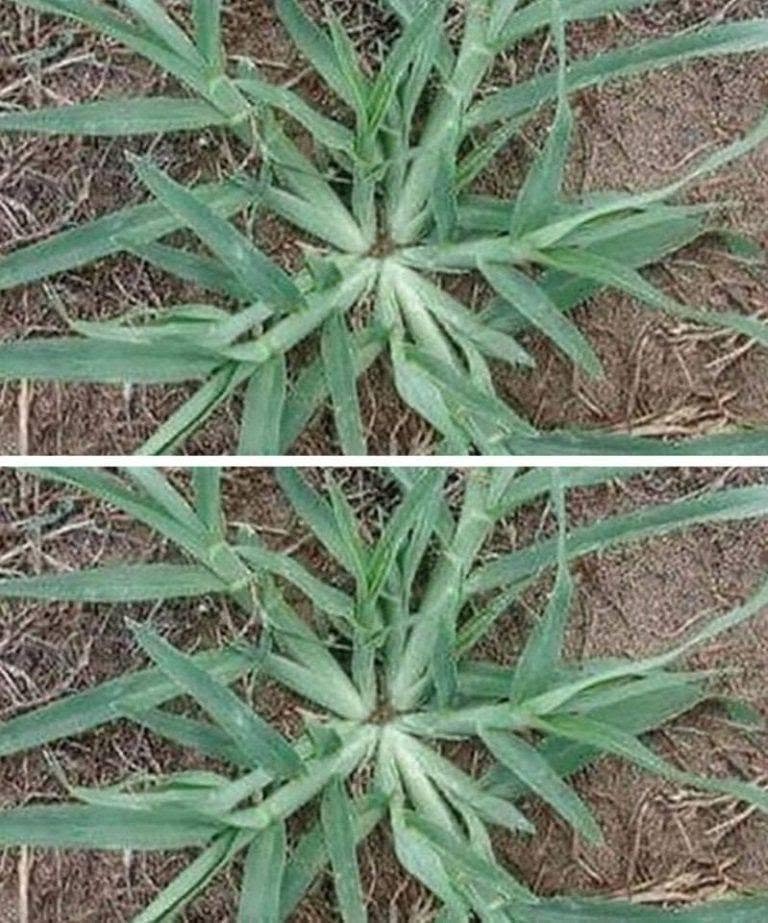
Finding an unfamiliar plant growing in your garden can be tempting to treat it as a weed. But before pulling it out, take a moment to identify it.
Some plants that appear unexpectedly in lawns, flower beds, and vegetable gardens can provide food for pollinators, support local wildlife, or even have traditional culinary or medicinal uses. Others, however, can be toxic, invasive, or irritating to the skin.
That’s why the best rule isn’t “never remove this plant.” It’s never remove an unfamiliar plant until you know what it is.
Why You Should Identify an Unknown Plant First
Plants can look remarkably similar to one another, even when their properties are completely different.
Two plants may have similar leaves but very different flowers, roots, or chemical compounds. Misidentification can be particularly concerning if someone plans to eat the plant or use it as a home remedy.
Before removing or using an unfamiliar plant, look at:
- The shape and arrangement of its leaves
- The color and structure of its flowers
- The stem
- The roots, if visible
- Where and how it is growing
- Its approximate size
- Whether it produces berries, seeds, or pods
A clear photograph can also help with identification, but an online image search should not be considered proof that a plant is safe to eat.
Some “Weeds” Are Valuable to Wildlife
Not every unwanted plant is useless.
Certain wild plants can provide:
- Nectar for bees and other pollinators
- Food for butterflies and their caterpillars
- Seeds for birds
- Shelter for small insects
- Ground cover that helps protect soil
Allowing some native plants to remain in an appropriate part of your garden can contribute to local biodiversity.
You don’t necessarily have to let every plant grow everywhere, though. A plant can be beneficial to wildlife and still be inappropriate for a particular garden bed.
Some Wild Plants Are Edible—but Identification Is Essential
There are plants commonly considered weeds that are eaten in some cultures.
Examples include certain species of dandelion, purslane, nettle, and chickweed. However, edibility depends on the exact species and how the plant is prepared.
Even a plant with a long history of traditional use should not be eaten simply because it resembles a familiar species.
Plants can also become contaminated by:
- Pesticides or herbicides
- Animal waste
- Road pollution
- Contaminated soil
- Other environmental hazards
Never assume that a wild plant is safe just because it is growing in your garden.
Don’t Assume a “Natural” Plant Is Safe
One of the biggest misconceptions about garden plants is that natural automatically means harmless.
It doesn’t.
Some plants contain compounds that can cause:
- Skin irritation
- Allergic reactions
- Vomiting or diarrhea
- Dizziness
- Heart rhythm problems
- Neurological symptoms
- Serious poisoning
Children and pets may be particularly vulnerable because they may chew or swallow unfamiliar plants without understanding the risk.
What Should You Do With an Unknown Plant?
If an unfamiliar plant appears in your garden, consider leaving it undisturbed temporarily while you identify it.
You can:
- Take clear photographs of the leaves, stem, flowers, and overall plant.
- Identify the plant using a reliable botanical or local gardening resource.
- Check whether it is native, invasive, edible, poisonous, or protected in your area.
- Keep children and pets away from unknown plants.
- Wear gloves when handling plants that may cause skin irritation.
- Remove it safely if it is invasive, toxic, diseased, or growing where it could cause a problem.
If you’re unsure, your local botanical garden, agricultural extension service, horticultural organization, or experienced botanist may be able to help with identification.
What If You Already Ate an Unknown Plant?
Don’t wait for symptoms before taking the situation seriously.
If someone has swallowed an unidentified plant and there is a possibility that it could be poisonous, contact a local poison-control service or seek medical advice promptly. Keep a sample or clear photographs of the plant if it can be collected safely.
If severe symptoms such as difficulty breathing, seizures, loss of consciousness, severe vomiting, or significant confusion develop, seek emergency medical care immediately.
The Bottom Line
An unexpected plant in your garden isn’t necessarily something that needs to be pulled out immediately. It could be a harmless native species, an important food source for pollinators, an edible plant—or a species that should be removed.
The important lesson is simple: identify first, then decide.
And never eat, brew, or use an unfamiliar wild plant as medicine based solely on its appearance or an internet post.
Safety Disclaimer
This article is for educational purposes only. Plant identification can be difficult, and similar-looking species may have very different effects. Do not consume or use an unidentified plant medicinally. If poisoning or accidental ingestion is suspected, contact an appropriate poison-control or emergency medical service in your area.