
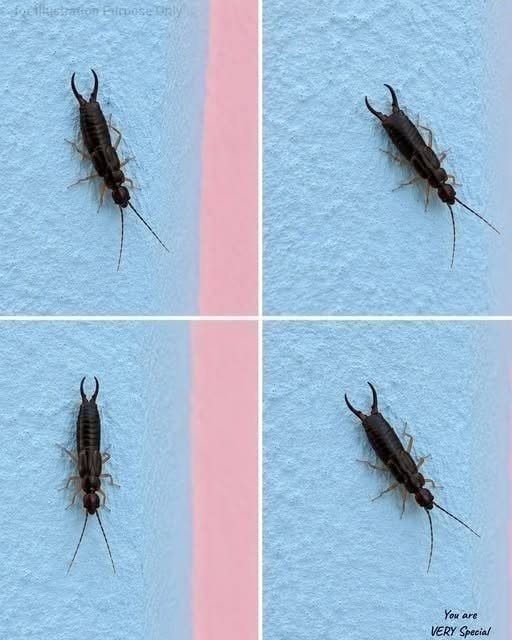
Finding an unfamiliar insect in your home can be unsettling. But before reaching for insecticide—or assuming it means your house is infested—there’s one important step you should take:
Identify the insect first.
Different household insects can indicate very different things. Some are harmless visitors that entered through an open window. Others may suggest excess moisture, food sources, wood damage, or a larger infestation.
Why Identifying the Insect Matters
An insect’s appearance can provide clues about what attracted it indoors.
For example, certain pests are associated with:
- Damp or poorly ventilated areas
- Stored food
- Pet food or crumbs
- Houseplants and potting soil
- Cracks around windows and doors
- Leaking pipes or plumbing
- Damaged wood
- Outdoor vegetation close to the house
Seeing one insect doesn’t necessarily mean you have a serious infestation.
However, repeatedly finding the same type of insect—or suddenly seeing large numbers—deserves closer attention.
If You Find Small Flying Insects
Small flies around the kitchen may be attracted to ripe fruit, food residue, garbage, or drains.
The best first step is to remove potential food sources and clean the affected area rather than immediately spraying chemicals.
Check:
- Fruit bowls
- Garbage and recycling bins
- Food spills
- Sink and drain areas
- Pet-food dishes
- Damp cleaning cloths
If the insects continue appearing despite good sanitation, identification can help determine the source.
If You Find Insects Near Bathrooms or Sinks
Moisture-loving insects may become more noticeable around bathrooms, kitchens, basements, and other damp areas.
Look for:
- Leaking pipes
- Condensation
- Damp walls
- Standing water
- Poor ventilation
- Mold or persistent moisture
Fixing the underlying moisture problem is often more useful than repeatedly killing the insects you can see.
If You Find Ants
A few ants wandering indoors aren’t necessarily a sign of a major infestation.
But repeated trails of ants can mean they have discovered a reliable source of food or water.
Clean up food residue, seal containers, empty garbage regularly, and inspect possible entry points around windows, doors, and cracks.
If large numbers continue appearing, professional pest identification may be worthwhile.
If You Find Cockroaches
Cockroaches deserve more attention than an occasional harmless outdoor insect.
They can contaminate food and may contribute to indoor allergens. Finding multiple cockroaches, droppings, egg cases, or repeated activity can indicate an infestation.
Keep food sealed, reduce clutter, eliminate standing water, and consider professional pest control if the problem persists.
If You Find Termites or Signs of Wood Damage
This is one situation where you shouldn’t simply ignore what you find.
Signs can include:
- Small discarded wings near windows
- Mud tubes
- Hollow-sounding wood
- Damaged or weakened timber
- Small openings or tunnels in wood
Not every small winged insect is a termite, which is why proper identification is important.
If you suspect termites, have the property inspected rather than relying on a household insect spray.
What About Bed Bugs?
Bed bugs can hide in mattresses, bed frames, furniture, and cracks.
Possible signs include:
- Small dark spots on bedding
- Tiny pale shed skins
- Blood spots on sheets
- Live insects around mattress seams
- Repeated itchy bites
Skin bites alone cannot reliably diagnose bed bugs because many other conditions can cause similar marks.
If you suspect bed bugs, inspect the sleeping area carefully and consider professional identification.
Don’t Touch an Unknown Insect With Your Bare Hands
Most insects found indoors are not dangerous.
However, some can bite, sting, irritate the skin, or trigger allergic reactions.
If you don’t know what you’re dealing with, avoid handling it directly. Take a clear photograph from a safe distance if possible and use it to help identify the species.
If someone develops difficulty breathing, facial or throat swelling, widespread hives, dizziness, or fainting after an insect sting or bite, seek emergency medical attention.
The Biggest Mistake: Assuming What the Insect Means
A viral post may claim that finding one particular insect means your home is toxic, that you’re sick, or that something dangerous is about to happen.
Usually, the reality is much simpler.
An insect is evidence of an insect—not automatically evidence of a disease or environmental disaster.
The useful question is: Why is this insect appearing here?
Identification, sanitation, moisture control, and inspection can usually provide a much more meaningful answer.
The Bottom Line
If you find an unfamiliar insect in your home, don’t panic.
Identify it first, then look for the conditions that may be attracting it. Repeated sightings, large numbers, wood damage, food contamination, or signs of a specific pest infestation are reasons to investigate further.
And if you can safely photograph the insect, a clear image can make identification much easier.
Safety Disclaimer
This article provides general household pest information and does not identify a specific insect without seeing it. Do not handle unknown insects directly, and follow the label instructions carefully when using any pesticide. If you experience a severe reaction after a bite or sting, seek emergency medical care.