
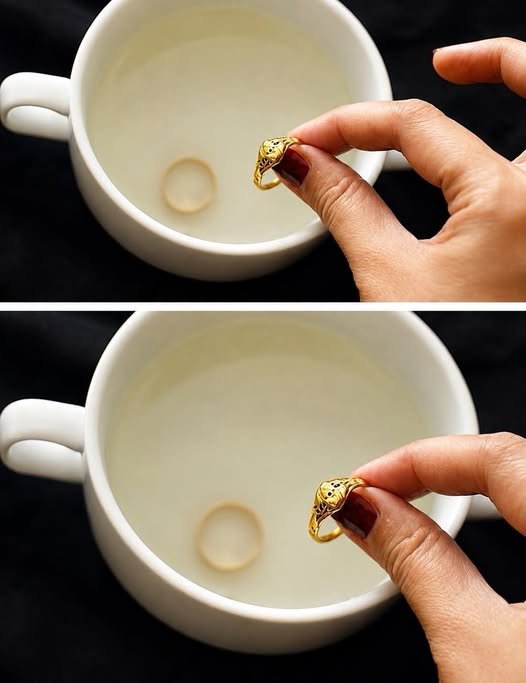
Jewelry can lose its shine over time. Everyday contact with skin oils, lotions, soap, dust, and household grime can leave rings, earrings, necklaces, and bracelets looking dull.
The good news is that many pieces can be cleaned at home with a surprisingly simple method.
The key is to use a gentle approach and identify the material first. What works for solid gold may damage a delicate gemstone, plated finish, or porous material.
The Simple Cleaning Method
For many sturdy pieces of jewelry, start with three things:
- Lukewarm water
- A small amount of mild dish soap
- A soft, clean toothbrush or jewelry brush
Step 1: Prepare the Cleaning Solution
Fill a small bowl with lukewarm—not hot—water.
Add just a few drops of mild dish soap and mix gently.
Avoid harsh household cleaners, bleach, or abrasive powders. Strong chemicals can damage certain metals, coatings, gemstones, and jewelry finishes.
Step 2: Let the Jewelry Soak Briefly
Place appropriate jewelry in the solution for several minutes.
This helps loosen oils and surface dirt that may be making the piece look dull.
Don’t automatically soak every type of jewelry, though. Some gemstones, glued settings, porous materials, and vintage pieces may be damaged by prolonged exposure to water.
Step 3: Gently Brush Away Dirt
Use a very soft toothbrush or jewelry brush to clean around settings, chains, and other hard-to-reach areas.
Use light pressure.
The goal is to loosen dirt—not polish the metal by force.
Step 4: Rinse Carefully
Rinse the jewelry with clean water if the material is water-safe.
Be extremely careful around the sink.
A drain stopper or bowl is much safer than rinsing a tiny ring or earring directly over an open drain.
Step 5: Dry Thoroughly
Pat the jewelry dry with a soft, lint-free cloth.
Allow it to dry completely before storing it.
Moisture left behind in crevices can contribute to tarnishing or other problems depending on the material.
What About Baking Soda and Toothpaste?
These are two of the most common DIY jewelry-cleaning recommendations online.
But abrasive substances can scratch some metals and gemstones.
Toothpaste is especially risky because many formulas contain abrasive particles designed to clean teeth, not delicate jewelry.
Baking soda can also be too abrasive for certain finishes.
If you’re unsure about a valuable piece, stick with a jewelry-safe cleaner recommended for its specific material.
How to Clean Gold Jewelry
Solid gold jewelry can often tolerate gentle cleaning with mild soap and lukewarm water.
However, gold jewelry may contain gemstones or delicate settings that require different care.
Gold-plated jewelry needs extra caution because aggressive polishing can wear away the thin gold coating.
If the piece is valuable or heavily plated, professional cleaning may be the safer option.
How to Clean Silver Jewelry
Sterling silver naturally tarnishes as it reacts with substances in the environment.
A soft polishing cloth designed specifically for silver can often restore its appearance.
Avoid aggressive scrubbing, especially on pieces with intentional darkened or oxidized details.
If the silver contains gemstones, check that the cleaning method is safe for those stones before proceeding.
Be Careful With Gemstones
Not all gemstones should be cleaned the same way.
Some are relatively durable, while others can be porous, fragile, treated, or sensitive to heat and chemicals.
Be especially cautious with:
- Pearls
- Opals
- Emeralds
- Turquoise
- Coral
- Amber
For delicate or valuable gemstone jewelry, professional cleaning or manufacturer-specific care instructions are preferable.
A Simple Habit That Keeps Jewelry Looking Better
You don’t have to wait until jewelry becomes visibly dirty.
After wearing a piece, gently wiping it with a soft jewelry cloth can remove oils and residue before they accumulate.
It’s also a good idea to remove jewelry before:
- Showering
- Swimming
- Applying perfume
- Applying lotions or creams
- Using household cleaning chemicals
- Exercising heavily
These habits can help reduce exposure to substances that contribute to dullness, tarnishing, or damage.
When You Shouldn’t Clean It Yourself
If the jewelry is antique, extremely valuable, heavily damaged, loose at the setting, or contains an unknown gemstone, don’t experiment with aggressive DIY methods.
A jeweler can identify the materials and recommend an appropriate cleaning method.
This is especially important if a stone appears loose. Cleaning it at home could cause it to fall out.
The Bottom Line
For many everyday pieces, a gentle mixture of lukewarm water and a few drops of mild dish soap, followed by careful brushing and drying, can remove everyday grime and restore some shine.
But there is no universal cleaning method for every piece of jewelry.
Know the metal and gemstones first, avoid abrasive products, and use extra caution with valuable or delicate pieces.
A few minutes of gentle cleaning can make a surprising difference—without risking unnecessary damage.
Care Disclaimer
Jewelry-cleaning recommendations vary according to the metal, gemstone, plating, treatments, age, and construction of a piece. When in doubt, consult the manufacturer’s care instructions or a qualified jeweler before using water, chemicals, polishing products, or household remedies.