
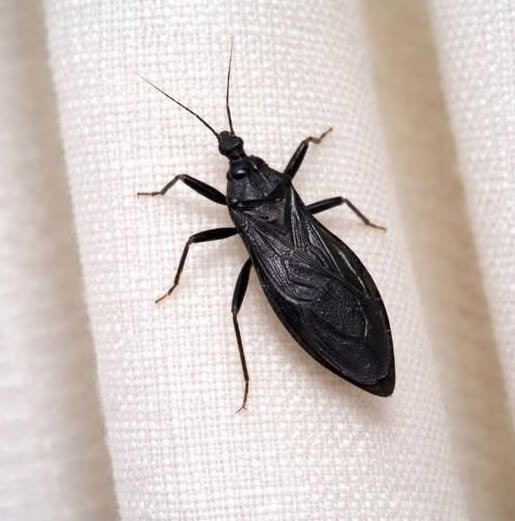
An assassin bug bite can be painful and irritating, but most bites can be managed with basic first aid. The important thing is to avoid handling these insects unnecessarily and to watch for signs of an allergic reaction or infection.
“Assassin bug” is a broad name for insects in the Reduviidae family. Different species behave differently, and some can deliver a painful defensive bite when handled or pressed against the skin.
Here’s what to do if you’ve been bitten.
1. Move Away From the Insect
First, safely move away from the insect so you don’t get bitten again.
Don’t try to pick it up with your bare hands. If you need to identify it, take a photograph from a safe distance or have a pest-control professional help with identification.
2. Wash the Bite
Gently wash the affected area with soap and clean water.
This removes dirt and potential contaminants from the skin and is an important first step for reducing the risk of infection.
Avoid aggressively scrubbing the area, especially if the skin has been broken.
3. Use a Cold Compress
A cold compress can help reduce pain, swelling, and itching.
Wrap an ice pack or a few ice cubes in a clean cloth and apply it for about 10–20 minutes at a time. Never place ice directly against your skin.
You can repeat this periodically if it remains uncomfortable.
4. Don’t Scratch
Itching can be difficult to resist, but scratching can damage the skin and increase the risk of a secondary infection.
Keep the area clean and, if necessary, cover it loosely with a clean dressing.
A pharmacist can also advise you about an appropriate over-the-counter treatment for itching or discomfort.
5. Watch the Bite Over the Next Few Days
A small amount of redness, tenderness, swelling, or itching can occur after an insect bite.
However, the reaction should generally improve rather than continue getting worse.
Seek medical advice if the area develops:
- Increasing redness or warmth
- Significant swelling
- Increasing pain
- Pus or drainage
- Red streaks extending from the bite
- Fever
- Symptoms that continue to worsen
These may indicate a skin infection or another complication.
Can an Assassin Bug Bite Be Dangerous?
Most assassin bug bites are primarily a local problem, but the severity can vary depending on the species and the individual.
Some assassin bugs can produce a surprisingly painful bite, particularly when they are squeezed against the skin.
Importantly, not every insect called an assassin bug poses the same health risks.
In some regions, certain blood-feeding members of the broader Reduviidae family—often called kissing bugs—can transmit Trypanosoma cruzi, the parasite that causes Chagas disease. This is different from simply being bitten by an ordinary predatory assassin bug.
If you’re unsure what insect bit you, identification and local medical advice are more useful than assuming the insect was a particular species.
What About an Allergic Reaction?
Any insect bite can occasionally trigger a significant allergic reaction.
Get emergency medical help if you develop:
- Difficulty breathing
- Wheezing
- Swelling of the lips, tongue, or throat
- Difficulty swallowing
- Widespread hives
- Severe dizziness or fainting
- Rapidly worsening symptoms
These can be signs of anaphylaxis, a potentially life-threatening allergic reaction.
If you have been prescribed an epinephrine auto-injector for severe allergies, use it according to your emergency action plan and seek emergency medical care.
Should You Put Home Remedies on the Bite?
It’s best to keep treatment simple.
Avoid applying irritating substances such as concentrated essential oils, bleach, alcohol, harsh chemicals, or other unproven household products.
A clean wound, cool compress, and appropriate treatment for itching or pain are usually safer approaches.
What If the Insect Was a Kissing Bug?
If you live in an area where kissing bugs occur and believe the insect may have been one, don’t crush it with your bare hands.
If it can be done safely, preserve the insect in a container or take a clear photograph for identification. Local health authorities, pest professionals, or a healthcare provider may be able to help determine what species you encountered.
If you’ve had repeated exposure or are concerned about Chagas disease because of where you live or travel, discuss the exposure with a healthcare professional.
How to Prevent Another Bite
Assassin bugs generally aren’t looking to bite people. Many species are predators of other insects and can be beneficial in gardens.
To reduce unwanted encounters:
- Avoid handling unfamiliar insects.
- Wear gloves when gardening.
- Shake out clothing and shoes that have been left outdoors.
- Repair damaged window screens.
- Reduce unnecessary outdoor lighting near doors and windows.
- Seal gaps around doors and windows if insects repeatedly enter the home.
If you regularly find unfamiliar biting insects indoors, professional identification can be more useful than spraying everything indiscriminately.
The Bottom Line
If an assassin bug bites you, wash the area, apply a cold compress, avoid scratching, and monitor the reaction.
Most bites can be managed with basic first aid, but worsening swelling, signs of infection, or symptoms of a severe allergic reaction require medical attention.
And remember: the term “assassin bug” covers many different species. If the insect is unfamiliar, don’t assume that every assassin bug carries a dangerous disease—safe identification matters.
Medical Disclaimer
This article is for general educational purposes and is not a substitute for professional medical advice. If you develop difficulty breathing, swelling of the mouth or throat, fainting, severe symptoms, or rapidly worsening symptoms after an insect bite, seek emergency medical care immediately.