
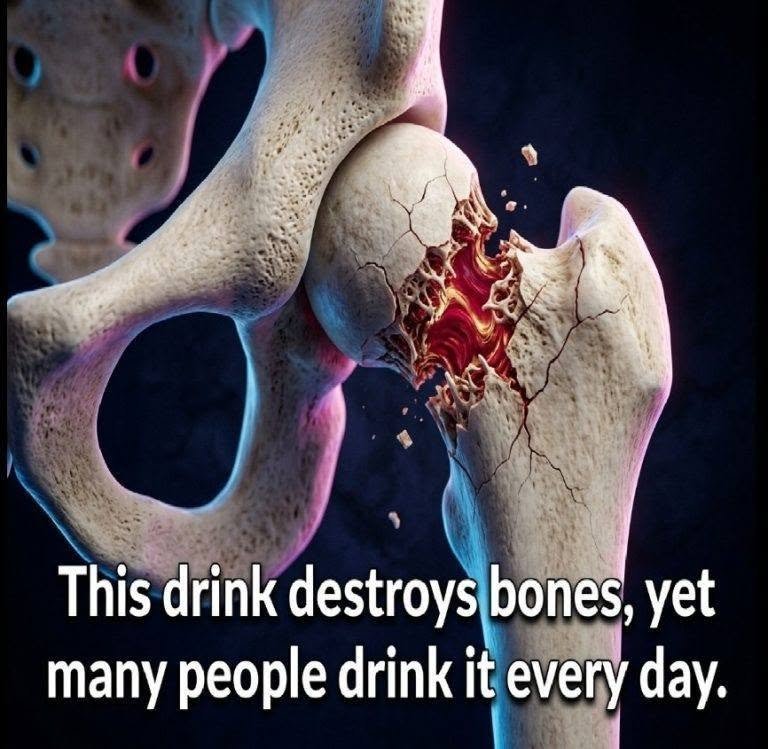
Your bones are living tissue that constantly breaks down and rebuilds. Keeping them strong depends on much more than calcium alone—it also involves vitamin D, protein, physical activity, hormones, overall nutrition, and lifestyle habits.
Some drinks can work against good bone health when consumed frequently, particularly when they replace more nutritious foods and beverages.
That doesn’t mean you need to completely eliminate them. The bigger concern is regular, high consumption and what these drinks replace in your diet.
Here are five categories worth limiting if you’re trying to protect your bones.
1. Cola and Other Sugary Soft Drinks
Cola is often singled out in discussions about bone health, but the evidence is more complicated than the claim that “cola dissolves your bones.”
The bigger concern is that frequent soft-drink consumption can contribute to an overall dietary pattern that provides fewer nutrients important for bone health.
Some cola drinks also contain caffeine, although moderate caffeine intake isn’t generally considered dangerous for bones when calcium intake is adequate.
The practical takeaway is simple: water, milk, or calcium-fortified alternatives are generally more nutritious everyday choices than sugary soda.
2. Excessive Alcohol
Alcohol deserves more attention than many people realize.
Heavy or chronic alcohol consumption can interfere with bone remodeling and may increase the risk of falls and fractures. It can also be associated with poorer nutrition and other health problems that indirectly affect bone health.
For people who drink alcohol, keeping consumption low is a sensible part of a bone-healthy lifestyle.
And if you don’t drink, there is no health reason to start.
3. High-Caffeine Drinks When Calcium Intake Is Poor
Coffee, tea, energy drinks, and other caffeinated beverages aren’t automatically “bad for your bones.”
Caffeine can have a small effect on calcium balance, but this is generally much less concerning when someone consumes enough calcium from their overall diet.
The problem can arise when large amounts of caffeinated beverages replace calcium-rich foods and drinks.
For example, someone who drinks several large coffees every day but rarely consumes calcium-rich foods may need to look at the whole dietary pattern rather than blaming coffee alone.
4. Energy Drinks
Energy drinks can combine high amounts of caffeine with substantial added sugar.
Regularly consuming them may contribute to a diet that is less nutritious overall, especially if they replace water or nutrient-rich beverages.
For younger people in particular, excessive caffeine can also cause other problems such as sleep disruption, anxiety, and rapid heartbeat.
If bone health is your concern, energy drinks are best treated as an occasional product rather than a daily source of hydration.
5. Sugary Drinks That Replace Nutrient-Rich Options
Sweetened iced tea, fruit-flavored drinks, sports drinks, sweetened coffee beverages, and other sugary drinks may not directly “destroy” bone.
The bigger issue is what happens when they become a major part of the diet.
If you’re regularly drinking sugary beverages instead of water, milk, or fortified alternatives, you may be getting more added sugar while missing opportunities to consume nutrients such as calcium, protein, and vitamin D.
Reducing these drinks can therefore improve the overall quality of your diet.
What About Carbonated Water?
This is an important distinction.
Plain sparkling water is not the same thing as sugary soda.
There is no good reason to assume that ordinary carbonated water weakens healthy bones simply because it contains carbonation.
If you enjoy sparkling water, choose an unsweetened variety. Some mineral waters may even provide useful amounts of calcium and magnesium, depending on the product.
What Should You Drink for Stronger Bones?
Instead of focusing only on what to eliminate, think about what you can add.
Good everyday choices can include:
- Water for hydration
- Milk or fortified dairy alternatives for calcium and, depending on the product, vitamin D
- Unsweetened fortified plant beverages
- Plain tea or coffee in moderate amounts
- Calcium-rich smoothies made with appropriate ingredients
The best choice depends on your nutritional needs and any medical conditions you have.
Don’t Forget the Rest of Your Bone-Health Routine
Drinks are only one small part of the picture.
Your bones also benefit from:
Adequate calcium
Adults need an appropriate amount of calcium from food and, when necessary, supplements.
Good sources include dairy products, calcium-fortified beverages, tofu made with calcium, and certain leafy greens and other foods.
Vitamin D
Vitamin D helps your body absorb calcium. Food, sunlight exposure, and supplements can all contribute depending on your circumstances.
People at risk of vitamin D deficiency may need professional advice about testing or supplementation.
Protein
Adequate protein supports muscles as well as bone structure. Stronger muscles can also help support balance and reduce the consequences of falls.
Weight-bearing exercise
Walking, resistance training, stair climbing, and other weight-bearing activities can help maintain bone strength.
Avoiding tobacco
Smoking is associated with poorer bone health and increased fracture risk, making smoking cessation another important part of protecting your skeleton.
When Should You Be Concerned About Bone Loss?
Osteoporosis can develop without obvious symptoms until a fracture occurs.
If you’re at increased risk because of age, family history, certain medications, hormonal changes, low body weight, smoking, heavy alcohol use, or other medical conditions, talk with a healthcare professional about whether you need a bone-health assessment.
A bone-density test may be recommended for people who meet certain age or risk criteria.
The Bottom Line
There isn’t a simple list of five drinks that “destroy” your bones.
However, heavy alcohol use, excessive caffeine, energy drinks, sugary soft drinks, and frequent sugary beverages that replace nutritious choices can be worth limiting as part of a bone-friendly lifestyle.
The goal isn’t perfection. It’s to make water and nutrient-rich beverages your everyday choices while keeping highly sweetened or heavily caffeinated drinks occasional.
Strong bones depend on the overall pattern of your diet and lifestyle, not one drink consumed from time to time.
Medical Disclaimer
This article is for general educational purposes and does not diagnose or treat osteoporosis or other bone conditions. If you have risk factors for osteoporosis, a history of fractures, or concerns about calcium or vitamin D intake, speak with a qualified healthcare professional. Do not start high-dose supplements or stop prescribed medication without professional guidance.