
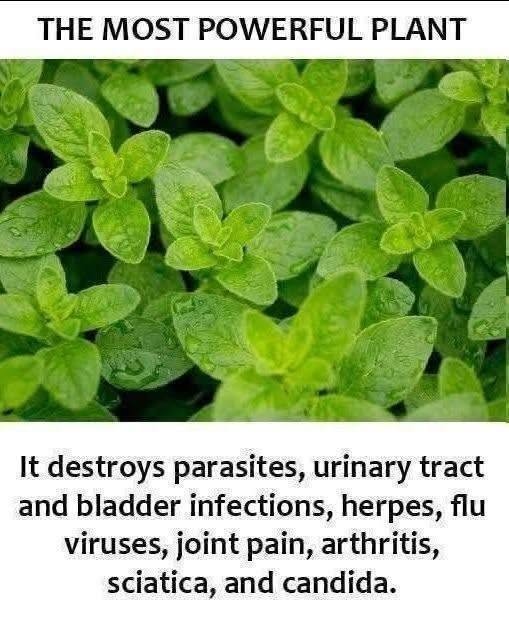
The phrase “the most powerful plant” sounds like the beginning of a secret that has been hidden for centuries.
From turmeric and ginger to garlic, aloe vera, green tea, and medicinal herbs, countless plants have been praised for their remarkable properties. Some genuinely contain compounds that have been studied for their nutritional, medicinal, or antioxidant effects.
But there is an important distinction between saying a plant contains biologically active compounds and claiming that one plant can cure almost anything.
There is no single plant that is scientifically proven to be the most powerful for every health problem.
Instead, different plants offer different benefits—and some can also cause side effects or interact with medications.
What Makes a Plant “Powerful”?
Plants produce thousands of natural compounds. Some of these compounds can interact with biological processes in the human body.
Examples include:
- Polyphenols, found in many fruits, vegetables, teas, and herbs
- Flavonoids, a large family of plant compounds
- Carotenoids, found in colorful fruits and vegetables
- Sulfur compounds, found in foods such as garlic and onions
- Essential oils and other aromatic compounds, present in many herbs and spices
These substances are one reason a varied plant-rich diet is associated with good health.
But a compound showing an effect in a laboratory experiment doesn’t automatically mean that eating the whole plant will treat a disease.
Garlic: Powerful Flavor and Interesting Compounds
Garlic is one of the plants most frequently described as “powerful.”
It contains sulfur-containing compounds, including allicin, which forms when garlic is chopped or crushed.
Research has investigated garlic for possible effects on cardiovascular health, blood pressure, cholesterol, and other biological processes.
However, garlic is not a replacement for prescribed treatment.
People taking certain blood-thinning medications or preparing for surgery may also need to discuss concentrated garlic supplements with a healthcare professional.
Ginger: More Than a Spice
Ginger has been used traditionally for centuries and has been studied particularly for its potential effects on nausea and digestive symptoms.
Fresh ginger contains compounds called gingerols and related substances, which contribute to its characteristic flavor.
Adding ginger to meals or beverages can be a simple way to include it in your diet.
But concentrated supplements can have stronger effects and aren’t necessarily appropriate for everyone.
Turmeric and Curcumin
Turmeric contains curcuminoids, including curcumin, which have attracted considerable scientific interest.
Laboratory and clinical research has examined curcumin in relation to inflammation, joint symptoms, and other health outcomes.
However, the evidence varies depending on the condition, formulation, and dose.
Turmeric used as a culinary spice is very different from taking a concentrated curcumin supplement.
Some high-dose products can interact with medications or cause side effects, so “natural” doesn’t automatically mean risk-free.
Aloe Vera: Useful in Some Contexts, Not a Miracle Cure
Aloe vera is another plant surrounded by dramatic health claims.
Certain topical aloe preparations may provide soothing effects for some minor skin problems.
But consuming aloe products is different. Some parts of the aloe plant contain compounds with strong laxative effects, and oral aloe products aren’t appropriate for everyone.
The plant should therefore be used according to the specific preparation and intended purpose—not simply because it is considered a “powerful” herb.
Green Tea and Its Plant Compounds
Green tea contains catechins, including epigallocatechin gallate (EGCG), which have been extensively studied.
Drinking unsweetened green tea can be part of a healthy dietary pattern.
However, concentrated green-tea extracts can behave differently from ordinary tea and have been associated with side effects in some circumstances.
Again, the lesson is important: more concentrated does not necessarily mean better.
Why “Natural” Doesn’t Always Mean Safe
Plants can contain powerful chemicals precisely because they are biologically active.
Some herbs can:
- Interact with prescription medications
- Affect blood clotting
- Alter blood pressure or blood sugar
- Cause digestive problems
- Trigger allergic reactions
- Affect the liver or kidneys at high doses
- Be unsafe during pregnancy
This is particularly important with concentrated extracts, tinctures, essential oils, and supplements.
The Most Powerful Approach May Be Variety
Instead of searching for one magical plant, consider the bigger picture.
A diet containing a wide variety of plant foods can provide fiber, vitamins, minerals, and thousands of naturally occurring compounds.
A colorful plate might include:
- Leafy greens
- Beans and lentils
- Berries and other fruits
- Whole grains
- Nuts and seeds
- Garlic and onions
- Herbs and spices
- A variety of vegetables
The combined dietary pattern matters much more than finding one supposedly unbeatable plant.
Don’t Confuse Traditional Use With Medical Proof
Traditional medicine has an enormous history of using plants for health purposes, and modern science has learned a great deal from traditional knowledge.
But traditional use and clinical proof are not identical.
A plant may have a long history of use while still lacking strong evidence for treating a particular disease.
Likewise, a promising laboratory study does not automatically establish that a plant treatment works in humans.
Good health information should consider the quality of the evidence, the preparation used, the dose, and the person’s individual circumstances.
So, What Is the Most Powerful Plant?
There isn’t one universal winner.
Garlic has interesting sulfur compounds. Ginger has been studied for nausea and digestive symptoms. Turmeric contains curcuminoids. Green tea provides catechins. Many other plants have their own unique compounds and potential benefits.
The healthiest answer isn’t a single “miracle plant.”
It’s a diverse, nutrient-rich diet built around a wide range of plant foods, combined with appropriate medical care when you actually have a health condition.
The Bottom Line
Plants can be remarkably powerful sources of nutrition and biologically active compounds.
But the claim that one plant can cure diseases, replace medication, or provide every health benefit is misleading.
Rather than looking for one secret ingredient, make variety your strategy. Eat a broad range of vegetables, fruits, legumes, whole grains, nuts, seeds, herbs, and spices—and treat concentrated herbal products with the same caution you would give any biologically active substance.
Health Disclaimer
This article is for general educational purposes and does not recommend using plants or herbal supplements to diagnose, prevent, or treat disease. “Natural” products can have side effects and medication interactions. If you take prescription medication, are pregnant or breastfeeding, or have a chronic health condition, consult a qualified healthcare professional before using concentrated herbal products or supplements.