
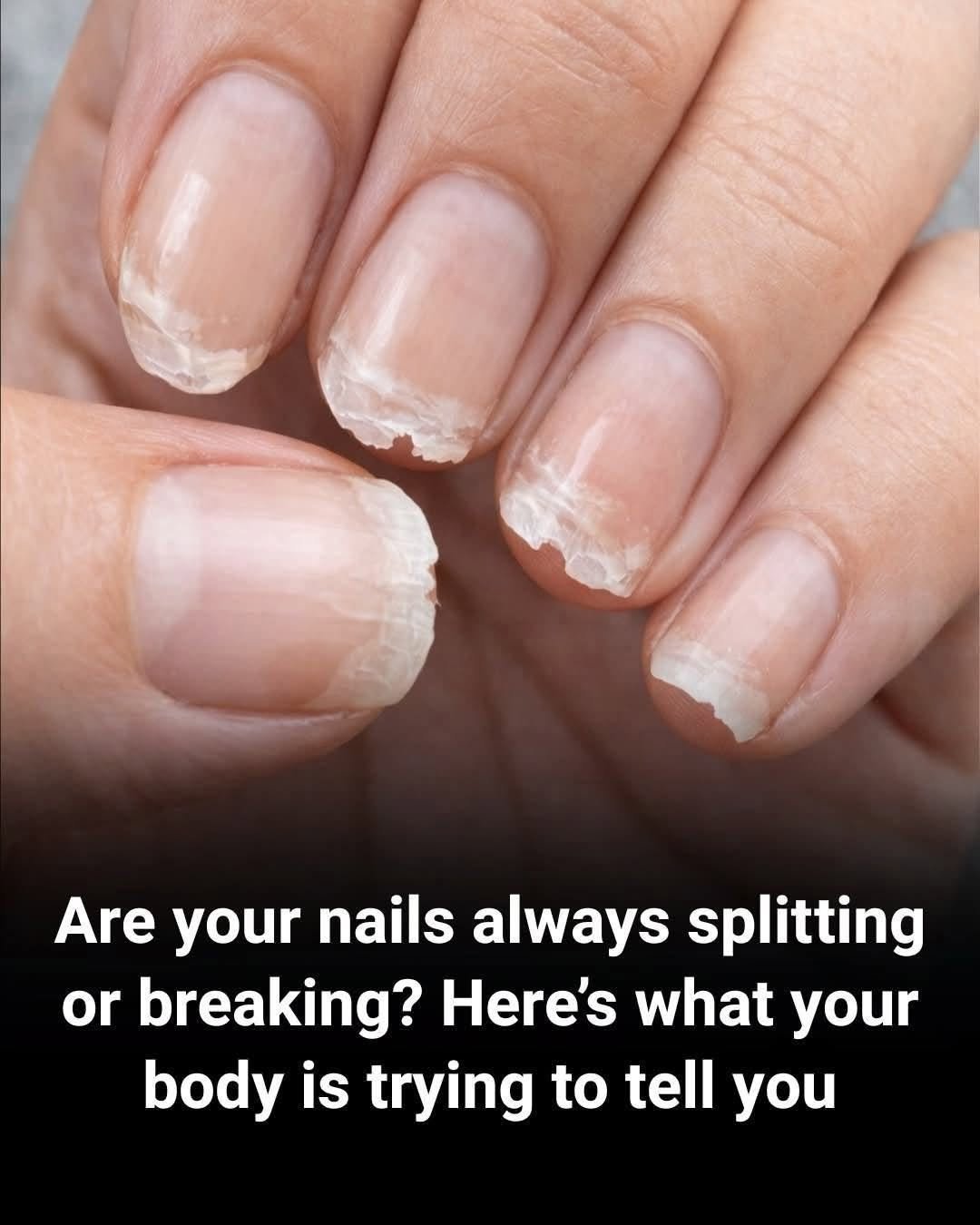
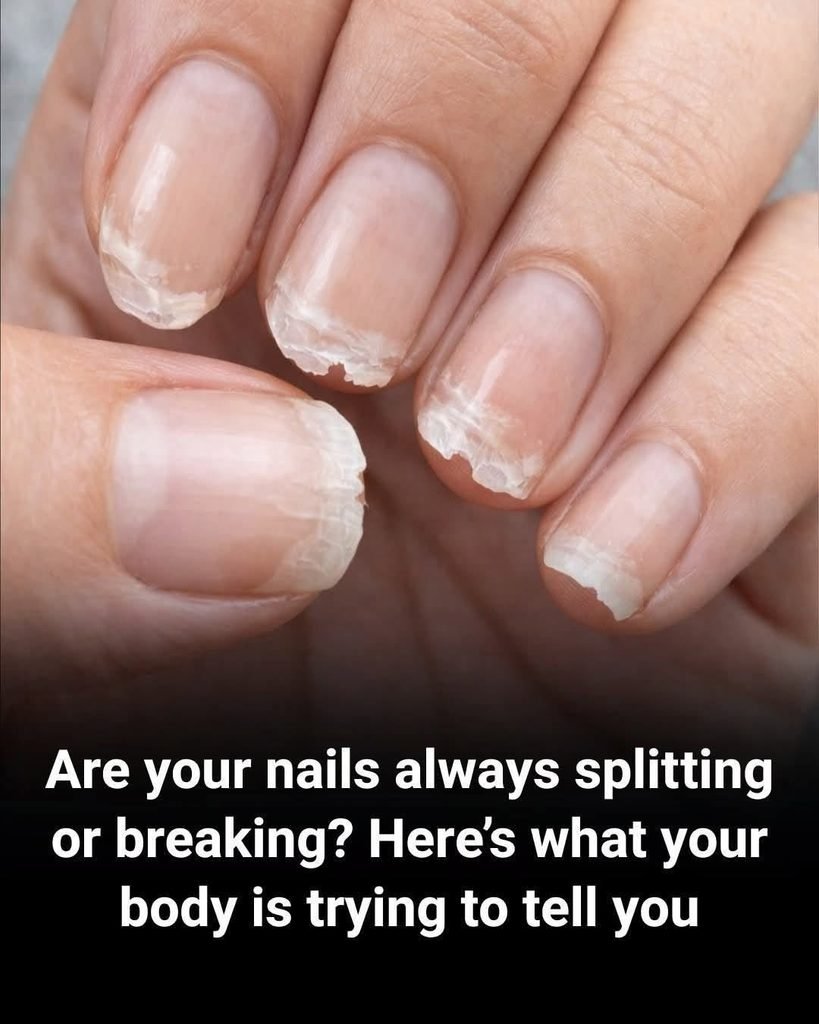
If your nails suddenly become thin, soft, splitting, or unusually brittle, it’s natural to wonder whether your body is trying to tell you something.
Sometimes, brittle nails are simply the result of frequent handwashing, prolonged exposure to water, cleaning products, nail polish, or physical trauma. In other cases, changes in the nails can be associated with nutrition, aging, skin conditions, hormonal changes, or certain medical problems.
The appearance of your nails can provide useful clues—but brittle nails alone cannot tell you exactly what’s wrong.
Here are some common possibilities.
1. Your Nails May Be Getting Too Much Water and Chemicals
Repeated wetting and drying can weaken the nail structure.
People who frequently wash dishes, clean, swim, or wash their hands may notice more splitting or peeling.
Cleaning products, solvents, acetone-based nail-polish removers, and some nail treatments can also contribute to dryness and brittleness.
Wearing protective gloves during household cleaning and moisturizing your hands and nails regularly may help.
2. You May Not Be Getting Enough Iron
Iron deficiency can sometimes be associated with nail changes, particularly when other symptoms are present.
Possible symptoms of iron-deficiency anemia include:
- Fatigue
- Weakness
- Shortness of breath with exertion
- Dizziness
- Pale skin
- Headaches
- Feeling unusually cold
However, brittle nails do not prove that you have an iron deficiency.
If you have several symptoms or risk factors for anemia, a healthcare professional can determine whether blood testing is appropriate.
Don’t start high-dose iron supplements simply because your nails are brittle. Too much iron can be harmful.
3. Your Diet May Need More Nutritional Variety
Nails are made primarily of a protein called keratin, so adequate nutrition is important for normal nail growth.
A restrictive or poorly balanced diet may contribute to deficiencies that affect hair, skin, and nails.
Rather than immediately taking a “hair, skin, and nails” supplement, focus on a varied diet containing:
- Eggs, fish, poultry, beans, or other protein sources
- Vegetables and fruits
- Whole grains
- Nuts and seeds
- Dairy products or fortified alternatives
- Other foods providing iron, zinc, and essential vitamins
Supplements are most useful when a genuine deficiency or increased nutritional need has been identified.
4. Thyroid Problems Can Sometimes Affect Nails
Changes in thyroid function can sometimes affect the skin, hair, and nails.
Depending on the condition, other symptoms might include changes in weight, unusual tiredness, sensitivity to cold or heat, changes in heart rate, constipation or diarrhea, or changes in hair texture.
Brittle nails alone don’t indicate a thyroid disorder, but persistent nail changes accompanied by other symptoms are worth discussing with a healthcare professional.
5. Aging May Be Part of the Explanation
Nails naturally change as we get older.
They may become:
- Thinner
- Drier
- More ridged
- More prone to splitting
Slower nail growth and changes in circulation or skin moisture can also contribute.
Good nail care and regular moisturizing can help reduce breakage.
6. Your Nails May Be Experiencing Physical Damage
Picking at the nails, biting them, using them as tools, or repeatedly pushing back or cutting the cuticles can cause damage.
Gel manicures, acrylic nails, aggressive filing, and frequent removal of artificial nails can also weaken the nail plate in some people.
If your nails are already fragile, consider taking a break from treatments that require extensive filing or chemical removal.
7. A Skin Condition Could Be Affecting Your Nails
Certain skin conditions can involve the nails.
Psoriasis, for example, can cause pitting, ridging, thickening, discoloration, or separation of the nail from the nail bed.
Eczema and other inflammatory skin conditions can also affect the skin around the nails and sometimes the nails themselves.
If you have persistent nail changes along with rashes or skin inflammation, a dermatologist may be able to identify the cause.
8. A Fungal Nail Infection Is Another Possibility
Fungal infections don’t always make nails brittle in the same way, but they can cause nails to become:
- Thickened
- Discolored
- Crumbly
- Distorted
- Separated from the nail bed
They are particularly common in toenails.
Because several nail conditions can look similar, it’s better to have a persistent abnormal nail examined rather than automatically treating it with an antifungal product.
9. Stress or Illness Can Affect Nail Growth
A significant illness, major physical stress, or nutritional problem can temporarily disrupt normal nail growth.
Because fingernails grow slowly, the effect may not become visible until weeks or months after the original event.
This is one reason a new line, groove, or change in a nail doesn’t necessarily mean something happened on the exact day you first noticed it.
Simple Ways to Protect Weak Nails
If your nails are brittle but there are no other concerning symptoms, basic care can make a noticeable difference.
Keep nails reasonably short
Shorter nails are less likely to catch on clothing or objects and split.
Moisturize regularly
Apply hand cream or a simple moisturizer to your hands, nails, and cuticles, particularly after washing.
Wear gloves for household chores
Protective gloves can reduce repeated exposure to water and cleaning chemicals.
Avoid using nails as tools
Don’t use your fingernails to open packages, scrape surfaces, or pry objects apart.
Limit harsh nail treatments
Give nails time to recover if they’re repeatedly exposed to aggressive filing, acetone, acrylics, or gel removal.
Don’t cut or aggressively push back cuticles
The cuticle helps protect the area where the nail grows. Damaging it can increase the risk of irritation or infection.
When Should You See a Doctor?
Make an appointment with a healthcare professional if nail changes are:
- Persistent or getting worse
- Affecting several nails without an obvious explanation
- Accompanied by significant fatigue or weakness
- Associated with changes in hair or skin
- Accompanied by unexplained weight changes or temperature sensitivity
- Associated with pain, swelling, or drainage
- Causing the nail to separate from the nail bed
A new dark streak or spot under a nail, particularly one that doesn’t grow out normally or changes over time, should also be evaluated promptly by a healthcare professional.
Don’t Assume You Need a Supplement
One of the biggest mistakes people make when they develop brittle nails is immediately buying a high-dose supplement.
Biotin is frequently marketed for stronger nails, but supplements aren’t a universal solution. High-dose biotin can also interfere with certain laboratory tests.
The better approach is to determine whether there is an underlying deficiency, medical condition, medication effect, or environmental cause before taking large doses of any nutrient.
The Bottom Line
Weak or brittle nails can sometimes provide a clue that something deserves attention—but they are not a diagnosis.
In many cases, the cause is surprisingly simple: repeated exposure to water and chemicals, nail treatments, physical damage, or dryness.
If the changes persist or occur alongside other symptoms, however, it’s worth looking beyond the nails and discussing the situation with a healthcare professional.
Healthy nails usually come from a combination of good nutrition, appropriate nail care, protection from irritants, and addressing any underlying health problems.
Medical Disclaimer
This article is for general educational purposes and does not diagnose nutritional deficiencies, thyroid disease, fungal infections, or other medical conditions. Persistent, painful, rapidly changing, or unusual nail changes should be evaluated by a qualified healthcare professional. Avoid taking high-dose vitamins or minerals without appropriate medical guidance.