
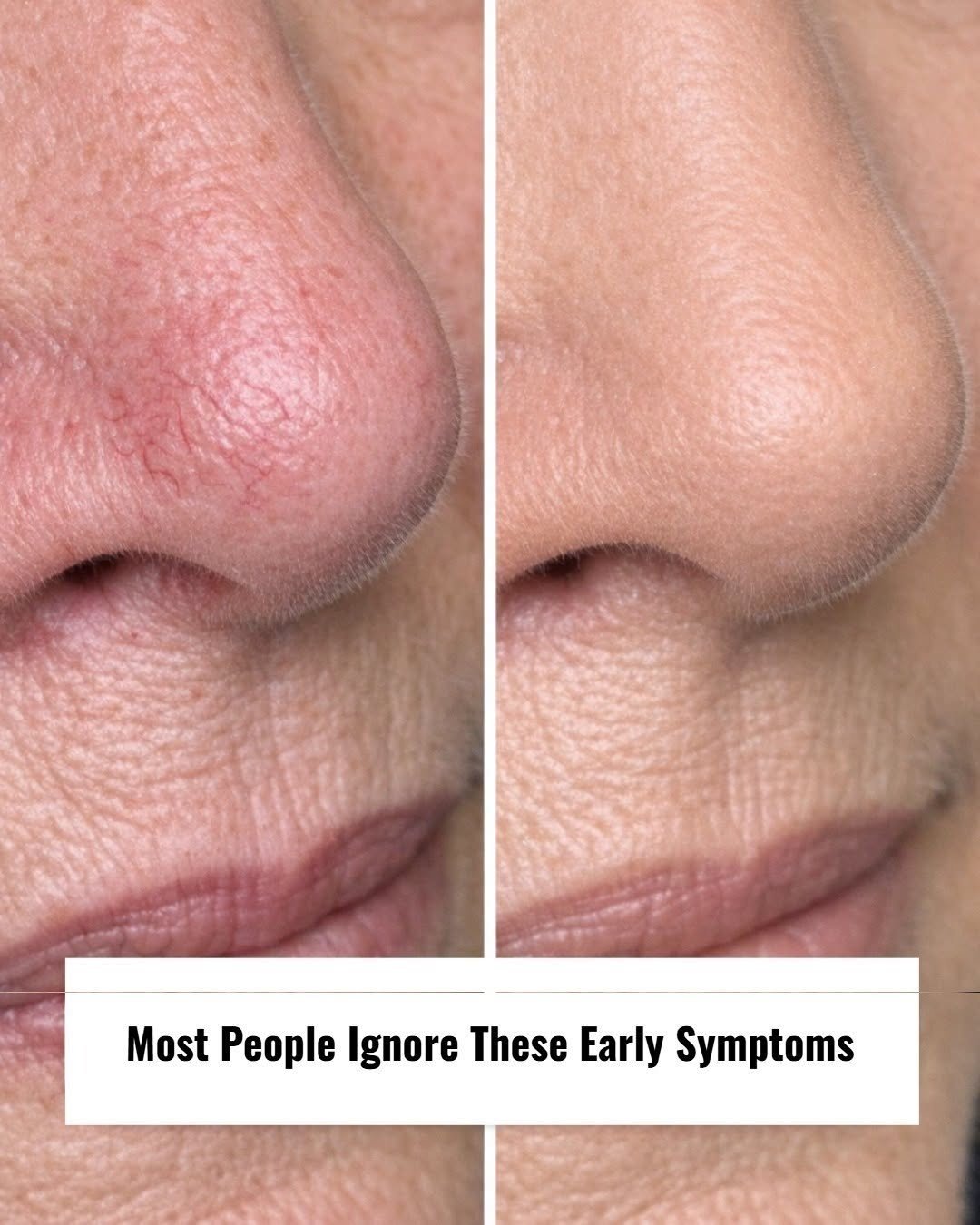
Some health problems begin quietly.
A person may notice that they’re more tired than usual, have unexplained changes in weight, become short of breath during ordinary activities, or experience a change in their digestion—and simply assume it’s stress, aging, or a temporary inconvenience.
Often, that’s exactly what it is.
But persistent or unexplained changes in your body deserve attention, especially when they are new, worsening, or accompanied by other symptoms.
The key is not to panic over every minor symptom. It’s to recognize patterns that shouldn’t be repeatedly ignored.
1. Unexplained Weight Loss
Losing weight without intentionally changing your diet or activity level can have many causes.
Stress, changes in appetite, digestive problems, medication effects, thyroid disorders, infections, and other medical conditions can all contribute.
A small fluctuation isn’t necessarily concerning. But ongoing or significant unexplained weight loss should be discussed with a healthcare professional.
Don’t assume it automatically means cancer or another serious disease. Testing is needed to determine the cause.
2. Persistent or Unusual Fatigue
Everyone gets tired.
The more important question is whether your fatigue is unusual for you and doesn’t improve with adequate sleep and rest.
Persistent fatigue can occur with sleep problems, anemia, nutritional deficiencies, infections, thyroid disorders, medication effects, depression, and many other conditions.
If exhaustion is interfering with your normal activities, it’s worth investigating rather than simply pushing through it.
3. Shortness of Breath With Normal Activities
Becoming unusually breathless while walking, climbing stairs, or performing tasks you previously handled comfortably can have many explanations.
Deconditioning is one possibility, but heart and lung conditions, anemia, infections, and other problems can also cause breathlessness.
Sudden or severe shortness of breath is different. It requires urgent medical evaluation, particularly when accompanied by chest pain, fainting, confusion, or blue or gray lips.
4. Changes in Bowel Habits
Occasional constipation or diarrhea is common.
However, a persistent change in your usual bowel pattern deserves attention, especially when it continues without an obvious explanation.
Pay attention to symptoms such as:
- Blood in the stool
- Persistent abdominal pain
- Unexplained weight loss
- Ongoing diarrhea or constipation
- A persistent change in stool appearance
- A feeling that you cannot completely empty your bowel
These symptoms don’t automatically indicate a serious disease, but they shouldn’t simply be ignored.
5. Difficulty Swallowing
Occasional difficulty swallowing may happen if you eat too quickly or don’t chew properly.
Repeated difficulty swallowing, however, can have several causes involving the throat or esophagus.
You may notice food feeling as though it is sticking, coughing during meals, or avoiding certain foods because they are difficult to swallow.
Persistent swallowing problems should be evaluated.
If you suddenly cannot swallow or have difficulty breathing, seek emergency medical attention.
6. A New or Changing Lump
Many lumps are harmless, including cysts and benign growths.
Nevertheless, a new lump that persists, grows, becomes painful, or changes in appearance deserves professional evaluation.
Don’t repeatedly press or manipulate an unexplained lump in an attempt to determine what it is.
A healthcare professional can decide whether examination, imaging, or another test is appropriate.
7. Changes in a Mole or Dark Spot
A new or changing pigmented spot should not automatically be assumed to be skin cancer.
But certain changes deserve attention, including:
- Increasing asymmetry
- Irregular borders
- Multiple or changing colors
- Increasing size
- Noticeable evolution over time
A sore or spot that repeatedly bleeds, crusts, or fails to heal should also be examined.
When it comes to suspicious skin changes, early professional evaluation is much better than waiting for the problem to become obvious.
8. Persistent Swelling
Swelling in the legs, ankles, hands, or around the eyes can have many causes.
It may be related to prolonged sitting, heat, medications, or other relatively minor factors.
But persistent swelling can also occur with problems involving the heart, kidneys, liver, veins, or lymphatic system.
Sudden swelling of one leg, especially when accompanied by pain, warmth, or redness, needs prompt medical evaluation because a blood clot is one possible cause.
9. Repeated Night Sweats
Sweating at night can occur because your bedroom is too warm, you have a fever, you’re experiencing hormonal changes, or you’re taking certain medications.
Occasional sweating isn’t necessarily concerning.
However, repeated drenching night sweats without an obvious explanation, particularly when accompanied by fever, persistent cough, unexplained weight loss, or swollen lymph nodes, should be discussed with a healthcare professional.
10. A Wound That Doesn’t Heal Normally
Small cuts and scrapes generally improve over time.
A wound that repeatedly fails to heal, becomes increasingly painful, drains pus, develops spreading redness, or repeatedly reopens needs medical attention.
This is particularly important for people with diabetes or circulation problems, who may be more vulnerable to slow-healing wounds and infections.
11. New or Persistent Voice Changes
A hoarse voice after a cold or after extensive speaking is usually temporary.
But hoarseness that persists for several weeks without an obvious explanation should be evaluated, particularly if it is accompanied by difficulty swallowing, a neck lump, unexplained weight loss, or breathing problems.
12. Repeated Unexplained Dizziness or Fainting
Occasional lightheadedness can happen from dehydration, standing up quickly, or not eating enough.
Repeated episodes, however, may have a variety of causes, including medication effects, blood-pressure problems, heart rhythm abnormalities, anemia, and other conditions.
Fainting during exercise, fainting with chest pain, or fainting associated with severe shortness of breath requires urgent medical assessment.
Don’t Try to Diagnose Yourself From One Symptom
One of the biggest mistakes people make with health information online is matching a single symptom to the most frightening disease they can find.
Most symptoms have multiple possible causes.
For example, fatigue could be related to poor sleep, stress, anemia, medication, an infection, or many other conditions.
The important clues are often the duration, severity, combination of symptoms, personal risk factors, and changes over time.
When Should You Seek Emergency Help?
Some symptoms should never be monitored at home while waiting to see what happens.
Seek emergency medical care for symptoms such as:
- Severe difficulty breathing
- Severe or crushing chest pain
- Sudden weakness or numbness on one side of the body
- Sudden difficulty speaking or understanding speech
- Sudden loss of vision
- New severe confusion
- Fainting with serious symptoms
- Vomiting blood or significant bleeding
- Severe allergic reaction with swelling of the airway
These can be signs of potentially life-threatening conditions.
The Bottom Line
The goal isn’t to become afraid of every unusual sensation.
It’s to know your normal baseline and pay attention when something is new, persistent, unexplained, worsening, or accompanied by other concerning symptoms.
Early attention doesn’t necessarily mean you’ll discover a serious disease. Very often, the cause turns out to be treatable or relatively minor.
But ignoring persistent changes can delay diagnosis when medical attention really is needed.
Listen to your body—but let a qualified healthcare professional determine what the symptoms actually mean.
Medical Disclaimer
This article is for general educational purposes and does not diagnose any medical condition. Many of the symptoms described have harmless as well as serious causes. If you have persistent, worsening, or unexplained symptoms, consult a qualified healthcare professional. Seek emergency care for severe or rapidly developing symptoms.