
Your feet can sometimes provide clues that something in your body needs attention.
A change in the skin, sensation, temperature, color, or shape of your feet may be caused by something minor—such as uncomfortable shoes or dry skin. But certain symptoms can also occur with circulation problems, nerve damage, infections, diabetes, or other medical conditions.
The key is knowing which changes deserve evaluation.
Here are nine foot symptoms you shouldn’t simply ignore.
1. A Foot That Suddenly Becomes Cold or Pale
If one foot suddenly becomes much colder, paler, or more painful than the other, it may indicate a serious circulation problem.
A sudden loss of blood flow to a limb can be an emergency.
Seek urgent medical attention if the change occurs suddenly, particularly with severe pain, numbness, weakness, or difficulty moving the foot.
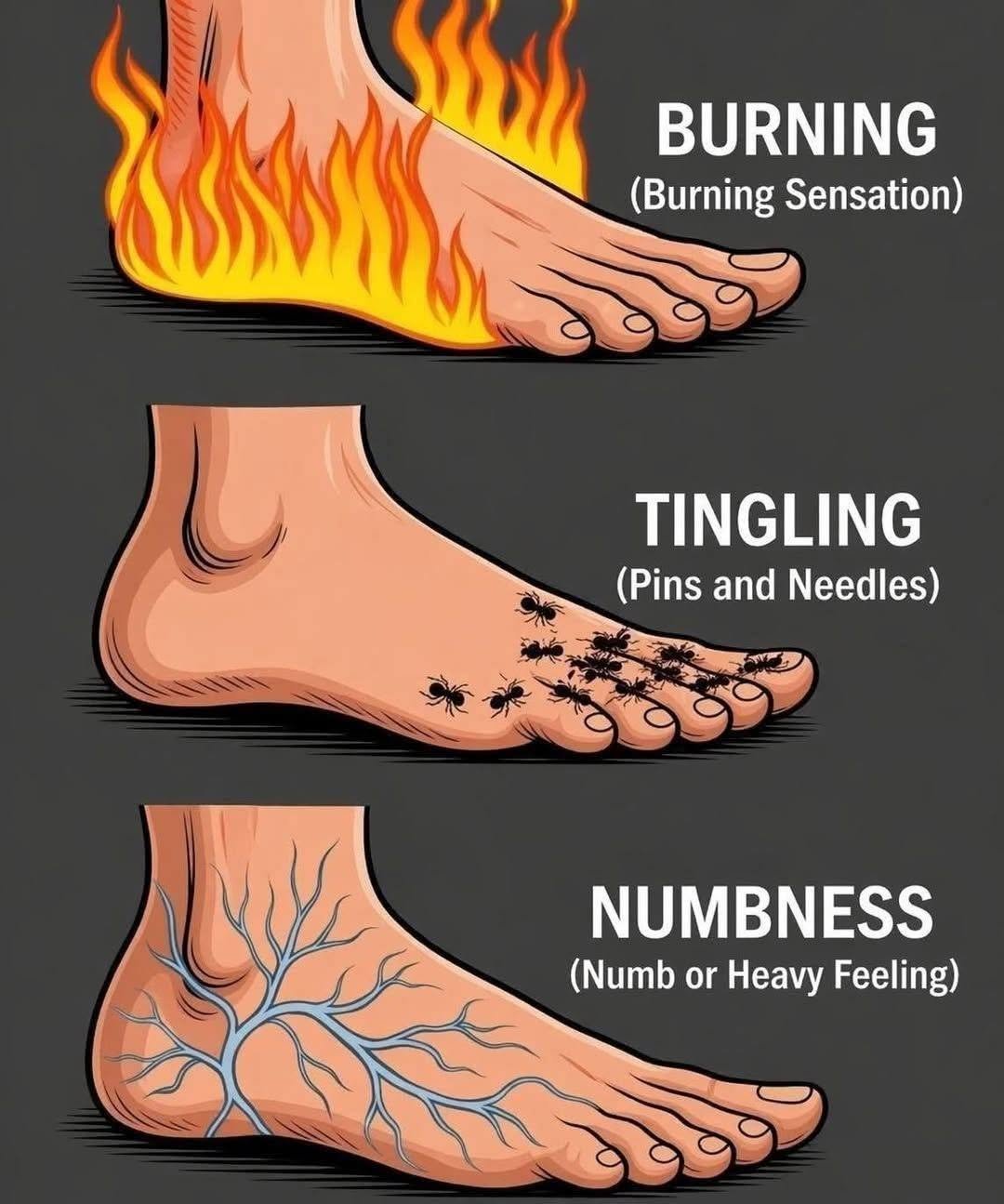
2. Persistent Numbness or Tingling
Occasional pins and needles can happen when you’ve been sitting in an awkward position.
But persistent numbness, burning, or tingling in the feet can have many causes, including nerve problems, diabetes, vitamin deficiencies, medication effects, or pressure on a nerve.
Don’t ignore symptoms that keep returning or gradually worsen.
3. A Wound That Won’t Heal
A small blister or cut should normally begin healing with appropriate care.
If a foot wound remains open, repeatedly breaks down, becomes increasingly painful, or shows signs of infection, it deserves medical attention.
This is especially important for people with diabetes, reduced sensation, or circulation problems.
4. Swelling in One Foot or Leg
Swelling can result from injury, prolonged standing, fluid retention, or other relatively common causes.
But sudden swelling affecting one leg or foot, particularly when accompanied by pain, warmth, or redness, can sometimes occur with a blood clot.
If swelling is accompanied by sudden shortness of breath, chest pain, coughing up blood, or fainting, seek emergency medical care.
5. A Persistent Burning Sensation
A burning sensation in the feet can be related to nerve irritation or peripheral neuropathy.
Diabetes is one possible cause, but it isn’t the only one.
Alcohol use, certain medications, nutritional deficiencies, and other neurological conditions can also contribute.
If burning persists or interferes with sleep or walking, discuss it with a healthcare professional.
6. Sudden Color Changes
Feet that repeatedly turn unusually pale, blue, purple, or intensely red may deserve evaluation, especially if the changes are accompanied by pain, numbness, swelling, or temperature differences.
Some color changes can occur with cold temperatures or normal circulation responses, but persistent or severe changes should not be dismissed.
7. Severe Heel or Foot Pain Without an Obvious Injury
Foot pain after unusual exercise or prolonged standing may have a straightforward explanation.
But severe or persistent pain without an obvious cause can have many possible sources, including inflammation, nerve problems, arthritis, stress injuries, or circulation issues.
Pain that prevents normal walking or continues despite rest should be evaluated.
8. Cracks, Sores, or Skin That Keeps Breaking Down
Dry, cracked skin is common, particularly around the heels.
However, deep cracks can provide an entry point for infection.
Redness, warmth, swelling, drainage, worsening pain, or fever can indicate an infection requiring medical attention.
People with diabetes should be particularly careful with foot wounds because reduced sensation or circulation can make injuries harder to notice and heal.
9. A New or Changing Dark Spot Under a Toenail
A dark mark under a toenail is often caused by an injury or repeated pressure from footwear.
However, a new dark streak or patch that doesn’t have an obvious explanation—or one that changes over time—should be examined by a healthcare professional or dermatologist.
Rarely, pigment changes beneath a nail can be associated with melanoma.
Don’t panic, but don’t automatically assume every unexplained dark nail mark is simply a bruise.
Why Foot Changes Can Matter
Your feet are exposed to pressure, friction, temperature changes, and minor injuries every day.
At the same time, they contain numerous nerves and blood vessels.
That’s why changes in the feet can sometimes reveal problems involving:
- Circulation
- Nerves
- Blood sugar
- Infection
- Inflammation
- Muscles and joints
- Skin
- The cardiovascular system
However, one symptom rarely points to one specific disease.
A proper examination is often necessary to determine the cause.
People With Diabetes Need Extra Foot Care
Diabetes can damage nerves and blood vessels, increasing the risk of unnoticed injuries and delayed healing.
If you have diabetes, check your feet regularly for:
- Cuts
- Blisters
- Redness
- Swelling
- Sores
- Changes in skin color
- New areas of numbness
Avoid walking barefoot if you have reduced sensation, and seek medical advice for wounds that aren’t healing normally.
When Foot Symptoms Are an Emergency
Don’t wait for a routine appointment if you experience:
- Sudden severe foot or leg pain
- A suddenly cold, pale, or blue foot
- Sudden loss of sensation or movement
- Rapidly increasing swelling
- A severe infection with fever or spreading redness
- Foot symptoms accompanied by chest pain or sudden shortness of breath
These symptoms can have several causes, but some require immediate treatment.
The Bottom Line
Most foot problems are not signs of a life-threatening illness.
Still, persistent numbness, unexplained wounds, sudden swelling, major color or temperature changes, severe unexplained pain, and changing nail discoloration deserve attention.
Your feet shouldn’t be used to self-diagnose a disease. Instead, unusual or persistent changes should be treated as a reason to investigate what is causing them.
Medical Disclaimer
This article is for general educational purposes only and does not provide a diagnosis. Foot symptoms can have many different causes. If symptoms are severe, sudden, persistent, worsening, or associated with diabetes or another chronic condition, consult a qualified healthcare professional.