
Garlic has been used in traditional medicine for centuries, and modern research has investigated several of its compounds for their potential health effects.
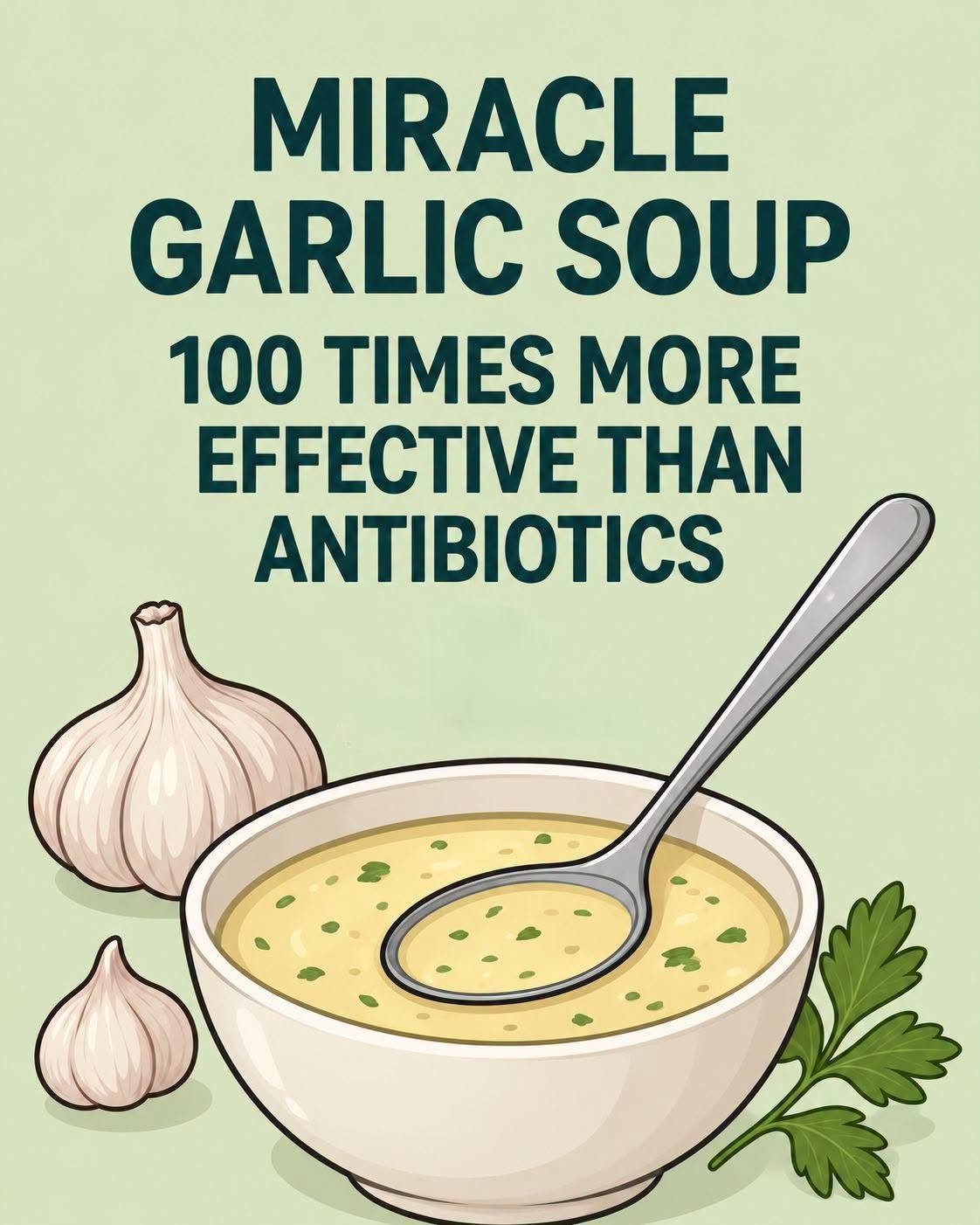
That has led to eye-catching claims online that garlic soup can fight infections or is even “100 times more effective than antibiotics.”
There is no good evidence to support that claim.
Garlic can be a nutritious addition to a balanced diet, but garlic soup cannot replace antibiotics when antibiotics are medically necessary. Antibiotics are specifically designed to treat certain bacterial infections, while foods and culinary herbs should not be considered substitutes for medical treatment.
Still, garlic soup can be a delicious and nutritious meal—and garlic itself contains biologically active compounds that researchers continue to study.
Why Is Garlic Considered Beneficial?
Garlic contains sulfur-containing compounds, including allicin, which is produced when fresh garlic is chopped or crushed.
Laboratory research has found that compounds from garlic can show antimicrobial activity against certain microorganisms. However, results observed in laboratory experiments do not automatically mean that eating garlic will treat an infection in a person.
This distinction is important.
A food can have interesting biological properties without being an effective medical treatment for an established infection.
Can Garlic Kill Bacteria?
Garlic compounds have demonstrated antibacterial activity in laboratory studies.
However, there is a major difference between demonstrating an effect on bacteria in a laboratory and proving that a food can successfully treat an infection inside the human body.
The amount of an active compound that reaches the site of an infection, how it is absorbed, how it is metabolized, and the type of bacteria involved all matter.
For these reasons, garlic should not be used as a substitute for prescribed antibiotics.
What About the “100 Times More Effective” Claim?
The claim that garlic soup is 100 times more effective than antibiotics is not supported by reliable clinical evidence.
Antibiotics are different medications with specific effects against particular bacterial infections. Their effectiveness depends on the type of infection, the bacteria causing it, the selected antibiotic, the dose, and the patient’s individual circumstances.
Comparing a bowl of garlic soup directly with antibiotics is therefore misleading.
If a doctor prescribes an antibiotic for a bacterial infection, replacing it with garlic soup could allow the infection to worsen.
A Simple Garlic Soup Recipe
While garlic soup is not a medicine, it can still be part of a nutritious diet.
Ingredients
- 6–8 cloves of fresh garlic
- 1 medium onion
- 2 carrots
- 2–3 cups of low-sodium vegetable or chicken broth
- 1 tablespoon olive oil
- A small amount of black pepper
- Fresh herbs, such as parsley or thyme, if desired
Instructions
- Peel and finely chop the garlic and onion.
- Warm the olive oil in a saucepan.
- Add the onion and cook gently until softened.
- Add the garlic and cook briefly without allowing it to burn.
- Add the carrots and broth.
- Simmer until the vegetables are tender.
- Blend the soup if you prefer a smooth texture.
- Add herbs and season lightly before serving.
This recipe provides vegetables, fluids, and flavorful ingredients without relying on excessive salt or added sugar.
Does Cooking Destroy Garlic’s Benefits?
Heat can affect some of the compounds produced when garlic is crushed.
Fresh garlic is chopped or crushed to activate the enzyme responsible for producing allicin. Cooking can then change the amount and composition of these compounds.
This does not mean cooked garlic is “useless.” Garlic remains a nutritious food, and the overall health value of a meal depends on the entire dietary pattern rather than one compound.
Garlic and the Immune System
Garlic is frequently marketed online as an “immune booster.”
A more accurate description is that garlic contains nutrients and bioactive compounds that may interact with biological processes involved in health and immunity.
However, eating garlic does not make someone immune to infections.
Good infection prevention and overall health still depend on measures such as vaccination when appropriate, adequate sleep, good nutrition, hand hygiene, and appropriate medical care.
Can Garlic Prevent or Treat a Cold?
Garlic has been studied for its potential effects on respiratory infections, but evidence remains insufficient to conclude that eating garlic or garlic soup can reliably prevent or cure a cold.
A cold is usually caused by a virus, and antibiotics do not treat viral infections in the first place.
Garlic soup may feel comforting when you are unwell because it provides warmth, fluid, and nutrition, but that is different from proving that it cures the underlying infection.
Garlic vs. Antibiotics: Why the Difference Matters
Antibiotics are prescription medicines developed to target susceptible bacteria.
They can be lifesaving when used appropriately for bacterial infections.
Garlic is a food.
Although garlic contains compounds with antimicrobial properties in laboratory research, it has not been established as a replacement for clinically appropriate antibiotic treatment.
Using food instead of necessary medical treatment can delay effective care.
When Are Antibiotics Necessary?
Antibiotics are used for certain bacterial infections when a healthcare professional determines that treatment is appropriate.
They do not work against viruses such as those that commonly cause colds and influenza.
If you have been prescribed an antibiotic, take it exactly as directed by your healthcare professional. Do not replace it with garlic, herbal remedies, or other home treatments without discussing the decision with a qualified medical professional.
Is Garlic Safe for Everyone?
Garlic is generally safe as a food for most people.
However, consuming large amounts or concentrated garlic supplements can cause problems such as:
- Heartburn
- Stomach discomfort
- Nausea
- Bad breath
- Body odor
Garlic may also interact with certain medications, particularly medicines that affect blood clotting.
People taking anticoagulant or antiplatelet medication, people preparing for surgery, and individuals with certain medical conditions should discuss concentrated garlic supplements with their healthcare professional.
Food quantities and concentrated supplements are not necessarily equivalent.
The Bottom Line
Garlic soup can be a healthy, flavorful meal, but it is not a miracle cure and there is no reliable evidence that it is “100 times more effective than antibiotics.”
Garlic contains interesting bioactive compounds and may have potential health benefits, but laboratory findings should not be confused with proven treatments for human infections.
Enjoy garlic soup as part of a balanced diet—but when you have a suspected bacterial infection that requires medical treatment, do not substitute garlic or another home remedy for appropriate medical care.
Medical Disclaimer
This article is for educational purposes only and does not diagnose, treat, or prevent disease. Garlic and garlic-containing foods should not be used as a substitute for prescribed antibiotics or other medical treatment. If you have symptoms of a serious or worsening infection, seek advice from a qualified healthcare professional.