
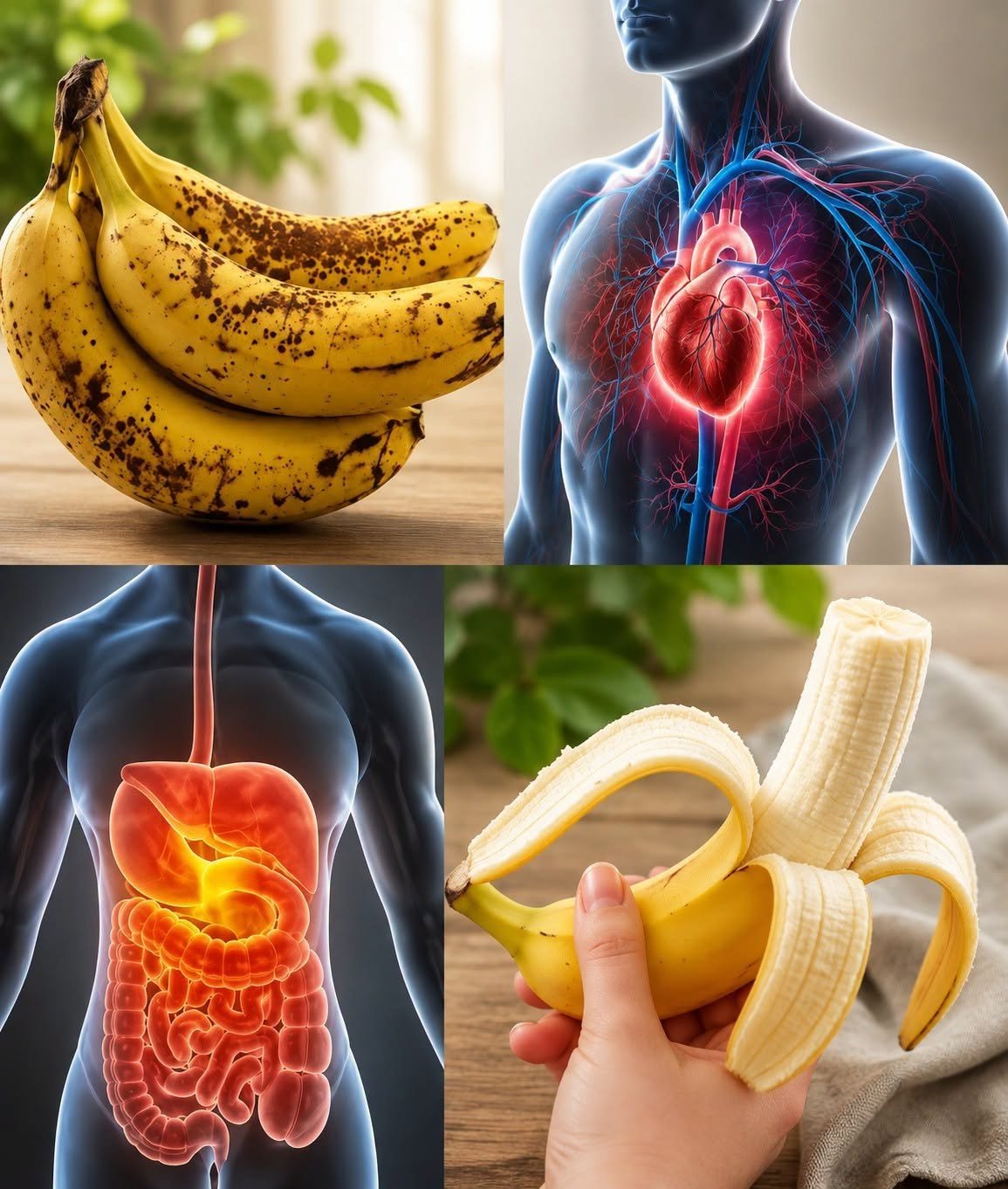
Bananas are one of the world’s most popular fruits—and for good reason. They are convenient, affordable, naturally sweet, and provide several important nutrients.
One medium banana contains potassium, fiber, vitamin B6, vitamin C, and carbohydrates that provide energy.
But can eating bananas really improve your health? In many cases, yes—especially when bananas are part of an overall balanced diet.
1. Bananas Are a Good Source of Potassium
Potassium is an essential mineral that helps your body maintain normal fluid balance and supports the normal function of muscles and nerves.
It also plays an important role in maintaining healthy blood pressure.
A medium banana provides a useful amount of potassium, although many other foods—including potatoes, beans, leafy greens, yogurt, and other fruits—are also excellent sources.
Eating a variety of potassium-rich foods is generally more important than relying on one particular food.
2. Bananas Provide Dietary Fiber
Bananas contain dietary fiber, which supports normal digestive function.
Fiber can help:
- Promote regular bowel movements
- Support a healthy gut
- Increase feelings of fullness
- Contribute to a healthy eating pattern
Ripe bananas tend to contain more readily digestible carbohydrates, while less-ripe bananas contain more resistant starch.
3. They Can Provide a Convenient Source of Energy
Bananas contain carbohydrates, making them a convenient source of energy.
This is one reason they are popular among people who exercise.
A banana can be an easy snack before or after physical activity, particularly when combined with a source of protein for a more balanced snack.
4. Bananas Provide Vitamin B6
Vitamin B6 is involved in numerous processes in the body, including normal protein metabolism, nervous-system function, and the production of certain neurotransmitters.
Bananas can contribute to your daily vitamin B6 intake, although they should be viewed as one part of a varied diet.
5. Bananas Can Be Part of a Heart-Healthy Diet
Because bananas provide potassium and fiber, they can fit well into a heart-healthy eating pattern.
However, eating bananas alone does not prevent heart disease or lower blood pressure enough to replace prescribed treatment.
For cardiovascular health, the overall dietary pattern matters much more than any single fruit.
6. They Can Be a Useful Alternative to Highly Processed Snacks
Replacing cookies, candy, pastries, or other highly processed snacks with fruit can be a simple way to improve the overall nutritional quality of your diet.
A banana requires no preparation, is easy to carry, and contains naturally occurring sugars rather than added sugars.
You can also combine it with foods such as plain yogurt, nuts, or nut butter to create a more filling snack.
Can Bananas Help With Weight Loss?
Bananas are not a special fat-burning food.
However, they can absolutely be included in a healthy weight-management plan.
Their fiber and natural sweetness may make them a satisfying alternative to some higher-calorie desserts and snacks.
The key is portion size and the overall balance of your diet.
No single food automatically causes weight loss or weight gain.
Are Bananas Safe for Everyone?
For most healthy people, bananas are a safe and nutritious food.
However, people with advanced kidney disease or other conditions requiring potassium restriction may need to limit high-potassium foods.
If you have been told to restrict potassium, do not make major dietary changes based on general nutrition advice. Ask your doctor or registered dietitian which fruits and portion sizes are appropriate for you.
People with diabetes can also eat bananas, but portion size and the overall carbohydrate content of the meal matter.
What Is the Best Time to Eat a Banana?
There is no scientifically established “perfect” time to eat a banana.
You can enjoy one:
- At breakfast
- As a snack
- Before exercise
- After exercise
- With yogurt or oatmeal
- As part of a balanced meal
Claims that bananas must be eaten only in the morning—or that eating them at night automatically causes weight gain—are not supported by good evidence.
Your overall diet matters much more than the exact time you eat the fruit.
A Simple Way to Enjoy Bananas
Try combining a banana with a protein-rich food for a more balanced snack.
For example:
Banana + plain yogurt + a small handful of nuts
This combination provides carbohydrates, protein, fiber, and healthy fats and can be more filling than eating a banana alone.
The Bottom Line
So, what does eating bananas increase?
Most importantly, bananas can increase your intake of important nutrients such as potassium, vitamin B6, and dietary fiber.
They are not a miracle food, but they are an affordable and convenient fruit that can fit into a healthy diet.
Rather than focusing on one food as a cure or solution, aim for variety: eat plenty of fruits and vegetables, choose whole grains and nutritious protein sources, and limit highly processed foods and excess added sugar.
Medical Disclaimer
This article is for general educational purposes and does not replace personalized medical advice. People with kidney disease, potassium restrictions, diabetes, or other medical conditions should discuss significant dietary changes with a qualified healthcare professional.